

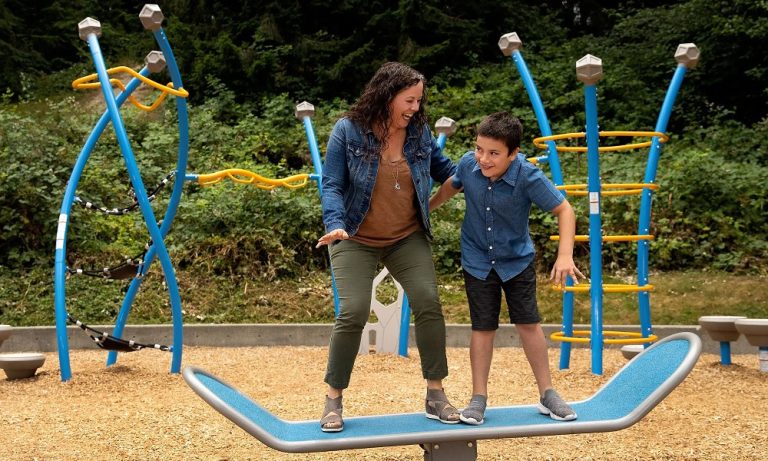


Why Purpose-Built Play Spaces Are Essential for Modern Parenting Communities
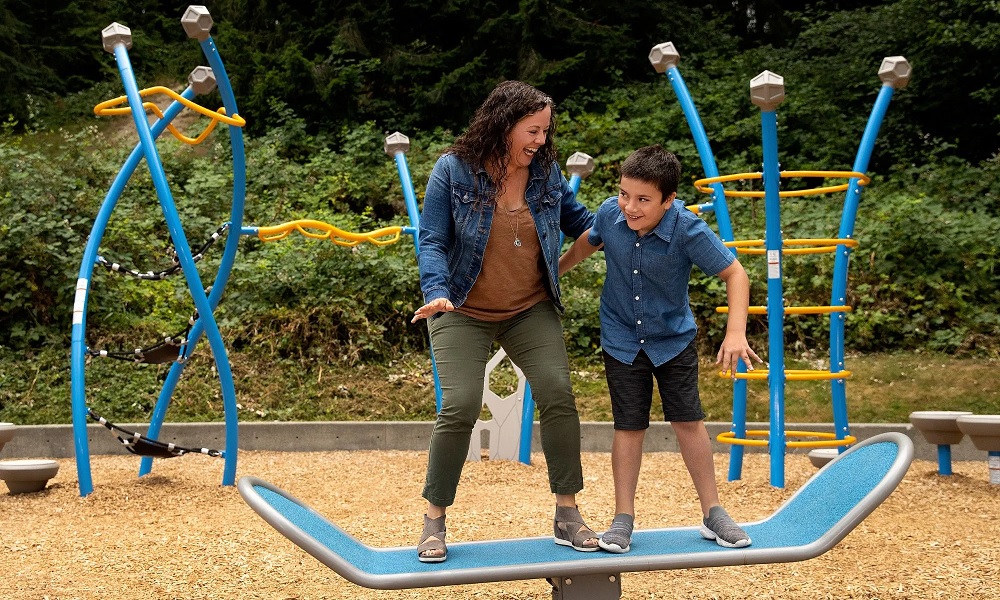
Raising kids today doesn’t happen in isolation, although sometimes it may feel that way. The truth is that many of us are raising families in the same geographical and emotional place. But many of the physical spaces to foster that connection are missing.
The backyard we no longer have
One generation back, kids used to play together in the streets or the backyard. They would go outside, meet other kids, and play. However, this is no longer the case for the most part. The culture of living in apartments, increased traffic, and the decrease in shared outdoor spaces have limited the access of families to unstructured outdoor play.
Commercial play spaces are not a luxury but a necessity. If families do not have access to a safe outdoor environment, they need an assured option that provides physical area, other children, and enough space for the children to play properly. Spending an hour using a screen is not a substitute for that. In fact, most parents already know this. The real question is, where do you want to go instead?
What happens when children play together
Study after study shows the benefits of play for early childhood development. Play is fundamental for high-quality, early learning and development. It has been associated with the development of the prefrontal cortex and executive functions. The prefrontal cortex is the region of the brain that largely controls response inhibition (the basis of self-regulation), working memory, and cognitive flexibility. In short, the parts of the brain that govern everything from impulse control to creativity to management of stress and anxiety.
It’s play, not direct instruction, that develops these parts of the brain. It’s unstructured play that is the cornerstone of creative and critical thinking; of adaptability and resilience and of emotional regulation and a sense of agency. Being able to express themselves physically somewhere like this MiniTown Kids Party Play Cafe is a source of learning because it actively engages these critical parts of the brain in environments that are emotionally secure.
Supervised autonomy and parental wellbeing
There’s a term for this: supervised autonomy. This is what occurs in a properly designed play space when a parent can see their child from a distance across the room and have an uninterrupted conversation with another adult. That’s not neglect – it’s a necessary distance that benefits both the child and the caregiver.
Parental burnout is a real thing, and one of the causes is the unrelenting closeness of full-time caregiving with no structural relief. Third spaces, meaning those environments that are neither home nor work where we gather socially and form our communities, have traditionally been the places where that relief is found. For parents with young children, those spaces need to be child-accommodating while adult-connecting.
A play cafe is the very definition of a third space that works in this way. The kids are engaged, the environment is safe-surfaced and contained, and the parents can actually exhale. This isn’t an accidental, side thing. It’s one of the primary reasons these kinds of spaces exist and one of the primary reasons families return to them.
When a casual visit becomes an event
A regular kids day out and a milestone occasion with your child’s friends are two different propositions. A regular day out doesn’t carry the same expectations or complete all-inclusive solutions like a home party. Birthdays in particular, but many other milestones too, are anticipated to be events that outstrip the capacity of most households to easily hold once the guest list reaches half a dozen or so.
For starters, a house party requires enough physical indoor and outdoor space for everyone, or enough furniture to give the impression of space. An engaged entertainer for at least an hour, likely twelve very loud guests with different tastes in games and toys, and certainly a very upset sibling who has just had their toy unicorn taken from them are also prerequisites. Did we mention the noise, the catering, the cleanup, and the prep for a highly-stimulating environment that won’t kill or maim the guests? A forever memory.
A specialised venue is built to handle exactly this – large groups of children moving through a structured environment with enough physical variety to keep different ages engaged, without the organizational weight falling entirely on the parents. The venue handles the infrastructure; the family handles the celebration.
The community anchor effect
A less direct effect takes place when families come to a play space they feel comfortable and safe with, and come back to it over and over. The family members start knowing each other. They talk. A casual network of parents who have a neighborhood in common and have children the same age naturally coalesces.
This is the community hub part of the equation, and it’s no accident. Parenting networks that grow out of shared spaces in the community provide actual help – tips, references, companionship, and a kind of easy low-stakes social life that alleviates loneliness with very little rent on your time to make new connections.
These do not pop up naturally in the urban landscape. You have to put places there that can foster them.
In other words, for families of very young children, a play space might bring you exactly what those boomers at your dinner parties like to swear never existed for them.


